Erythromycin is a macrolide antibiotic produced by the fermentation of Streptomyces erythraeus and obtained through chemical purification. Its CAS number is 114-07-8. Erythromycin is primarily used for the treatment of infections caused by Gram-positive bacteria (such as staphylococci and streptococci) and some Gram-negative bacteria (such as Legionella and Mycoplasma), including respiratory tract infections, skin and soft tissue infections, etc.
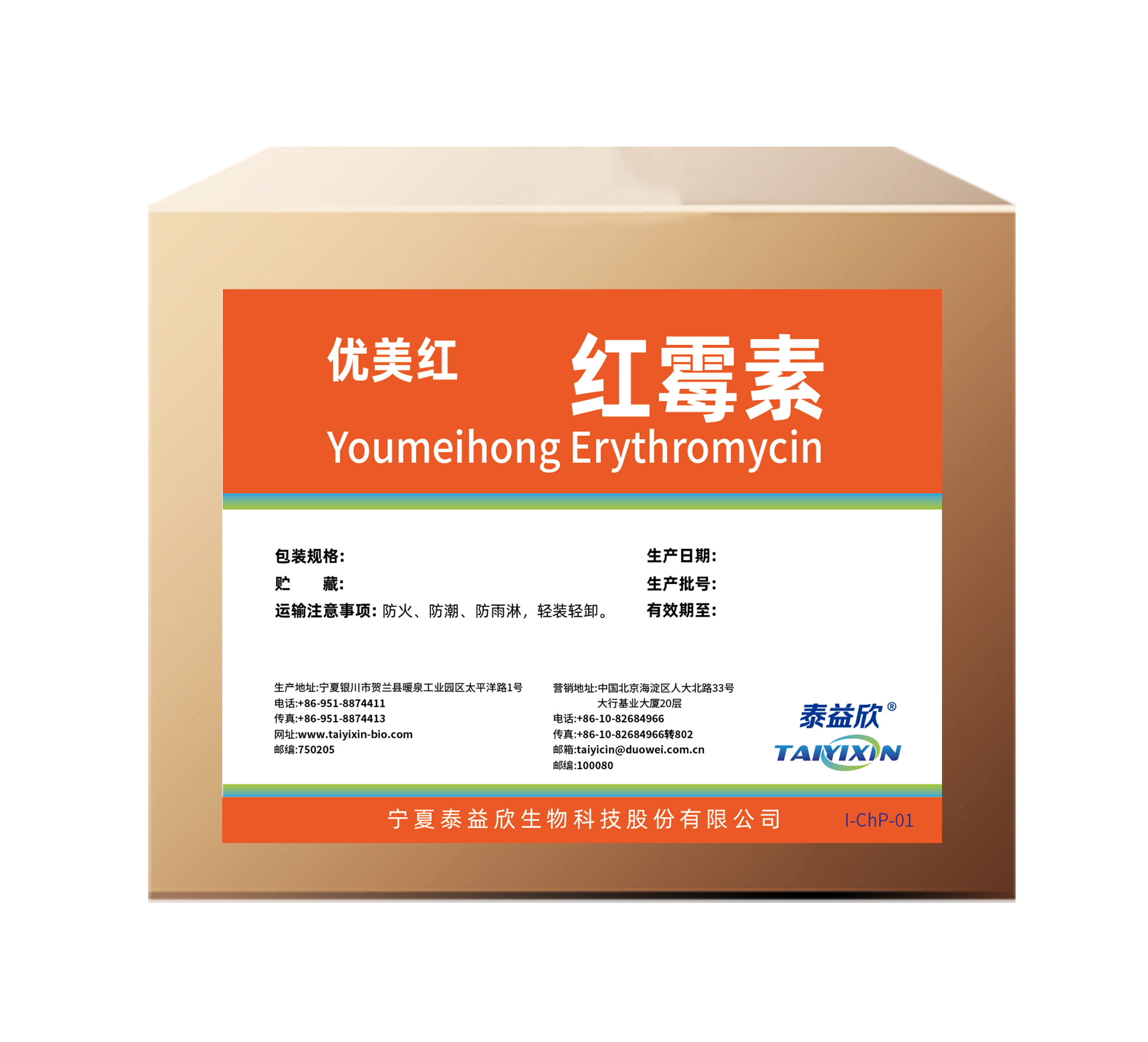
Erythromycin is a macrolide antibiotic with broad-spectrum antibacterial activity, particularly effective against Gram-positive bacteria (such as staphylococci and streptococci) and some atypical pathogens (such as mycoplasma, chlamydia, and Legionella). It is characterized by rapid oral absorption, but it is easily degraded by gastric acid. Therefore, it is often formulated as enteric-coated tablets or esters (such as erythromycin stearate) to improve stability. Clinically, it is mainly used to treat respiratory tract infections (such as pneumonia and bronchitis), skin and soft tissue infections, scarlet fever, Legionnaires' disease, and sexually transmitted diseases (such as non-gonococcal urethritis). In addition, erythromycin has certain gastrointestinal motility-promoting effects and can be used to enhance gastric emptying (such as in gastroparesis).
视频号二维码
公众号
联系方式
视频号二维码
公众号