Azathramycin is a derivative of macrolide antibiotics, with the chemical name Azithromycin A. It mainly exists as an intermediate or impurity of azithromycin. Its aliases include azithromycin A, azalithromycin, norazithromycin, etc. The bulk drug is usually a white or off-white crystalline powder, slightly soluble in organic solvents such as chloroform and methanol, but poorly soluble in water.
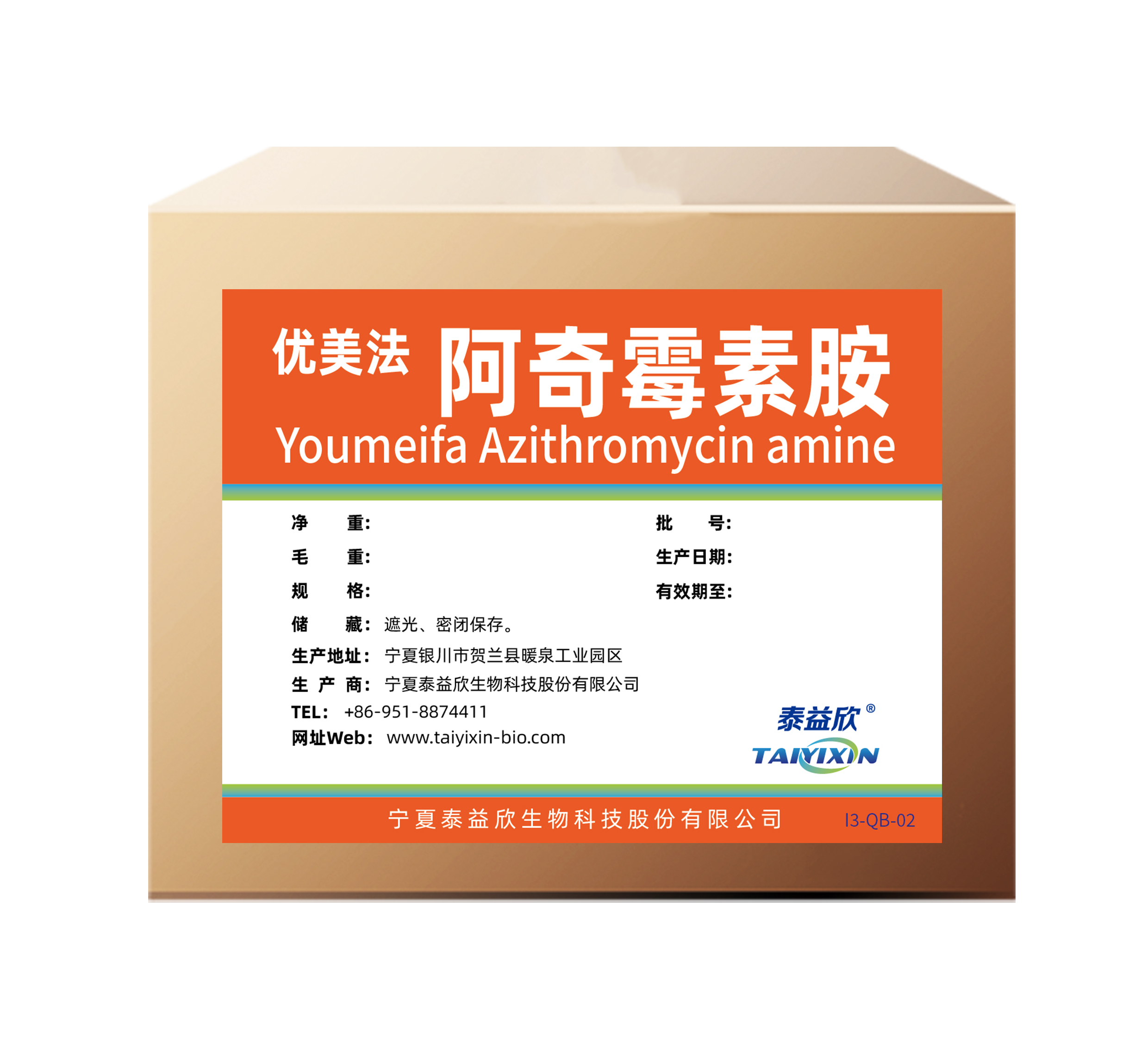
The antibacterial spectrum of Azathramycin is similar to that of azithromycin, mainly targeting Gram-positive bacteria, some Gram-negative bacteria, and atypical pathogens (such as mycoplasma and chlamydia). It is suitable for respiratory tract infections (such as pneumonia and bronchitis), skin and soft tissue infections, and some sexually transmitted diseases. It is characterized by a long half-life and good tissue penetrability, but it is less commonly used in clinical practice and is more frequently used as a research or drug synthesis intermediate.
Key Intermediate: Azathramycin is a critical intermediate for synthesizing azithromycin bulk drugs, directly influencing the purity and yield of the final product.
Structural Stability: The molecular structure contains a macrolide skeleton, endowing it with relatively stable chemical properties that facilitate storage and transportation.
High Reactivity: The amino group is prone to subsequent derivatization reactions, enhancing synthesis efficiency.
Controllable Process: Purity can be improved and impurity residues reduced by optimizing steps such as crystallization and purification.
Quality Relevance: Its purity and impurity levels directly affect the safety and efficacy of azithromycin bulk drugs.
Extensive Applications: In addition to being used in azithromycin production, it can also serve as a synthetic raw material for other macrolide antibiotics.

视频号二维码

公众号
联系方式
视频号二维码
公众号