Azithromycin, also known as erythromycin A or azithromycin, is an organic compound with the chemical formula C₃₈H₇₂N₂O₁₂. It belongs to the macrolide class of antibiotics.
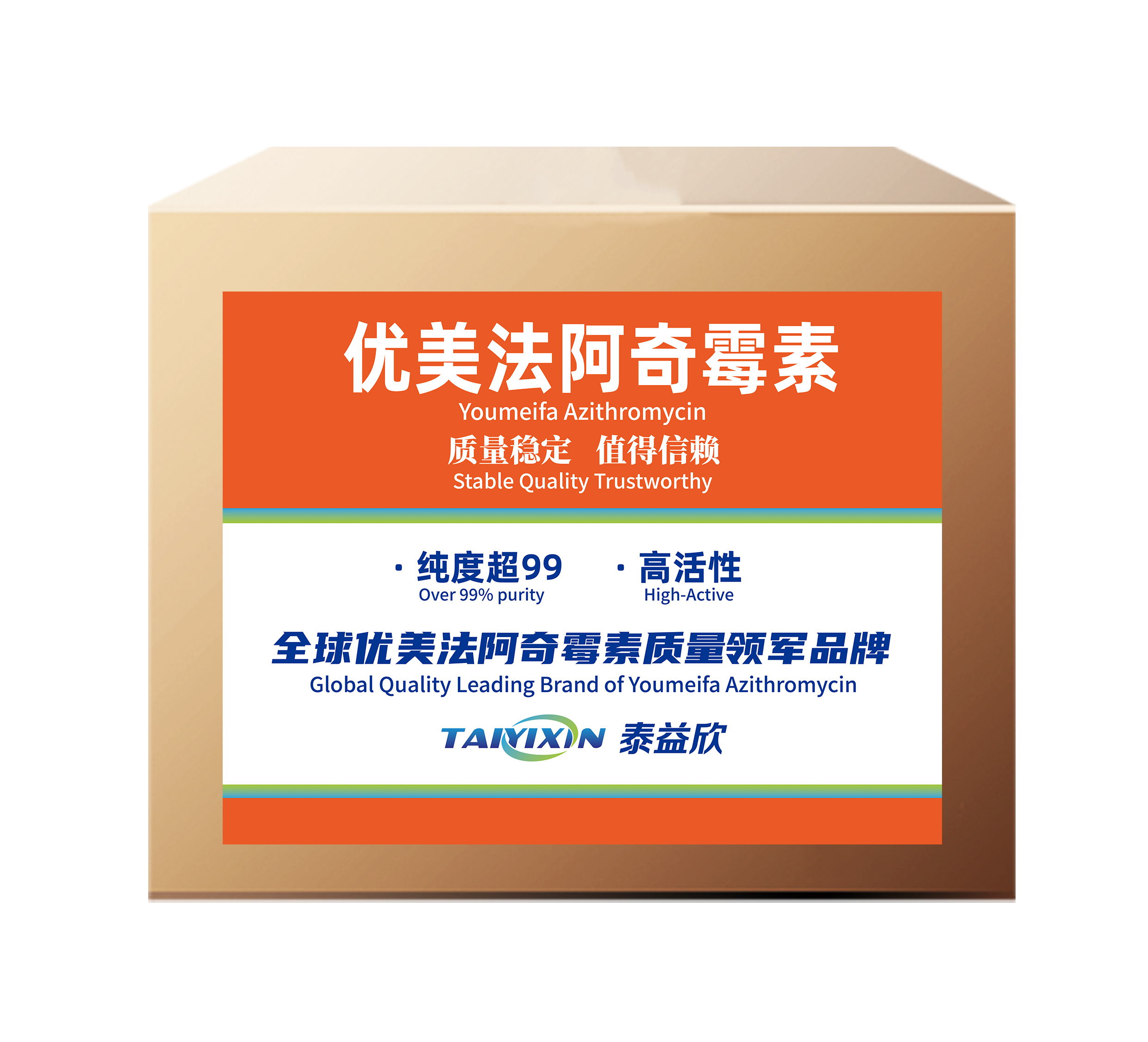
Developed by the U.S. pharmaceutical company Pfizer, it was first launched in Italy in 1988. Azithromycin is primarily characterized by its long half-life and high bioavailability. With relatively few side effects on the human body, it is widely used to treat various bacterial infections, particularly respiratory tract infections. The reason azithromycin can treat bacterial infections lies in its unique antibacterial mechanism. Specifically, azithromycin can enter bacterial cells, bind to the 50S subunit of bacterial ribosomes, inhibit bacterial protein synthesis, and thus prevent bacterial growth and reproduction. This mechanism enables azithromycin to exhibit good antibacterial effects against many Gram-positive bacteria and some Gram-negative bacteria. Clinically, it is mainly used for infections of the respiratory tract, urinary tract, skin, and soft tissues, such as bronchitis, pneumonia, pyelonephritis, cystitis, otorhinolaryngological infections, enteritis, and dysentery.
Broad-spectrum antibacterial activity: Effective against a variety of Gram-positive bacteria, Gram-negative bacteria, and atypical pathogens (such as mycoplasma and chlamydia).
Long-acting effect: Has a long half-life (approximately 68 hours), and once-daily dosing can maintain therapeutic efficacy.
Strong tissue permeability: Achieves high concentrations in tissues such as the lungs and tonsils, making it suitable for treating respiratory tract infections.
Good acid stability: Oral absorption is not affected by gastric acid, with a bioavailability of approximately 37%.
High safety profile: Common adverse reactions are mild (such as gastrointestinal reactions), and it can be used in both children and adults.
Mature process: The synthesis route is stable, easy for large-scale production, and the purity can reach over 98%.

视频号二维码

公众号
联系方式
视频号二维码
公众号