Erythromycin oxime is a derivative of erythromycin. It is mainly used for the synthesis of second-generation macrolide antibiotics such as roxithromycin, azithromycin, and clarithromycin. Its mechanism of action is similar to that of erythromycin, exerting antibacterial effects by inhibiting bacterial protein synthesis.
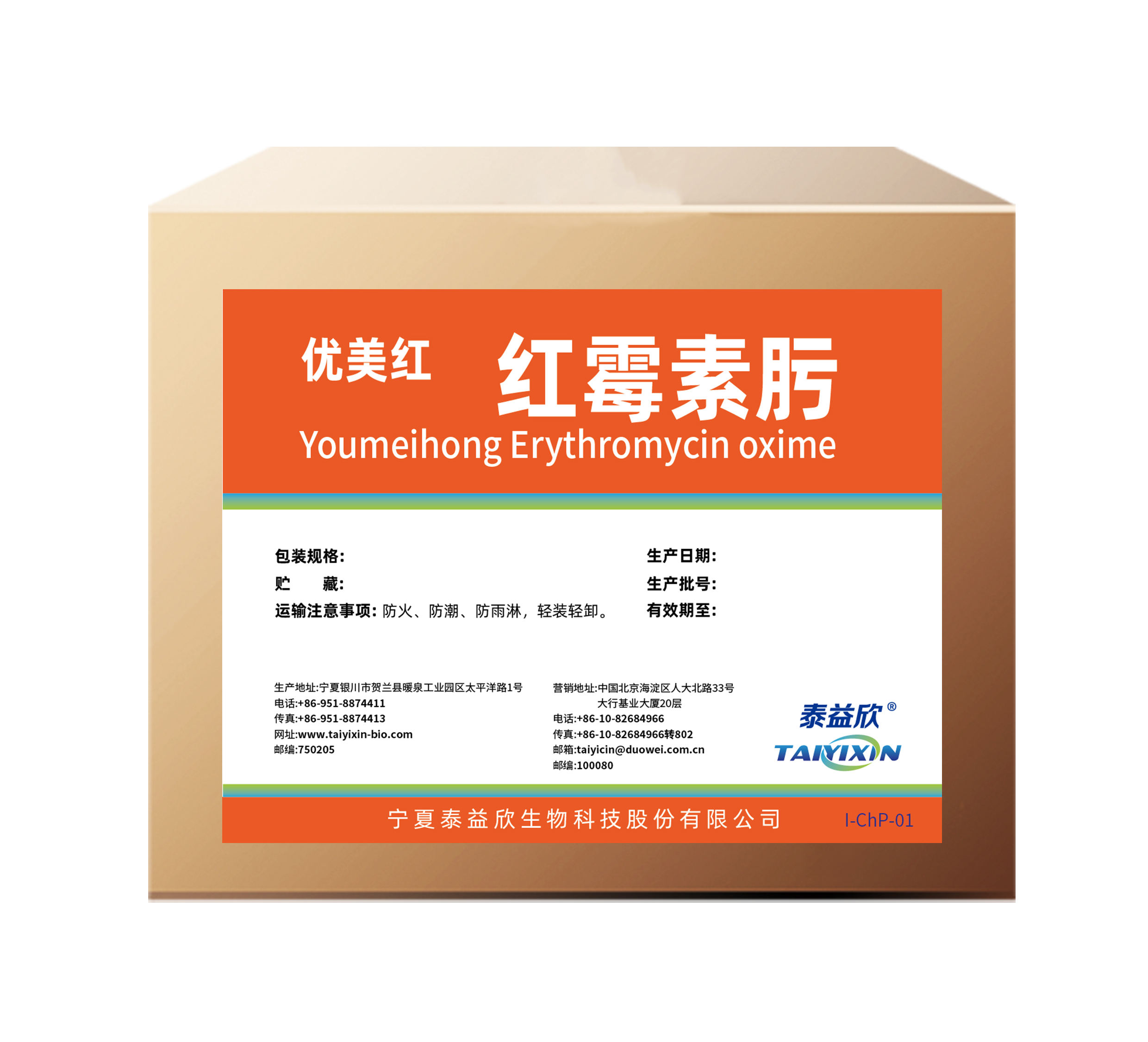
Erythromycin Oxime is a key intermediate for synthesizing various macrolide antibiotics, mainly used in the production of broad-spectrum antibacterial drugs such as azithromycin, roxithromycin, and clarithromycin. These antibiotics are widely used in clinical practice for the treatment of respiratory tract infections (such as pneumonia and bronchitis), skin and soft tissue infections, urogenital system infections, and diseases caused by special pathogens such as mycoplasma and chlamydia. Their derivatives are characterized by a broad antibacterial spectrum and strong tissue permeability, making them particularly suitable for patients allergic to penicillin. They are one of the important choices in anti-infective therapy.

视频号二维码

公众号
联系方式
视频号二维码
公众号