Erythromycin thiocyanate belongs to macrolide antibiotics, also known as Gaolimycin or erythromycin thiocyanate. It is white to off-white in color.
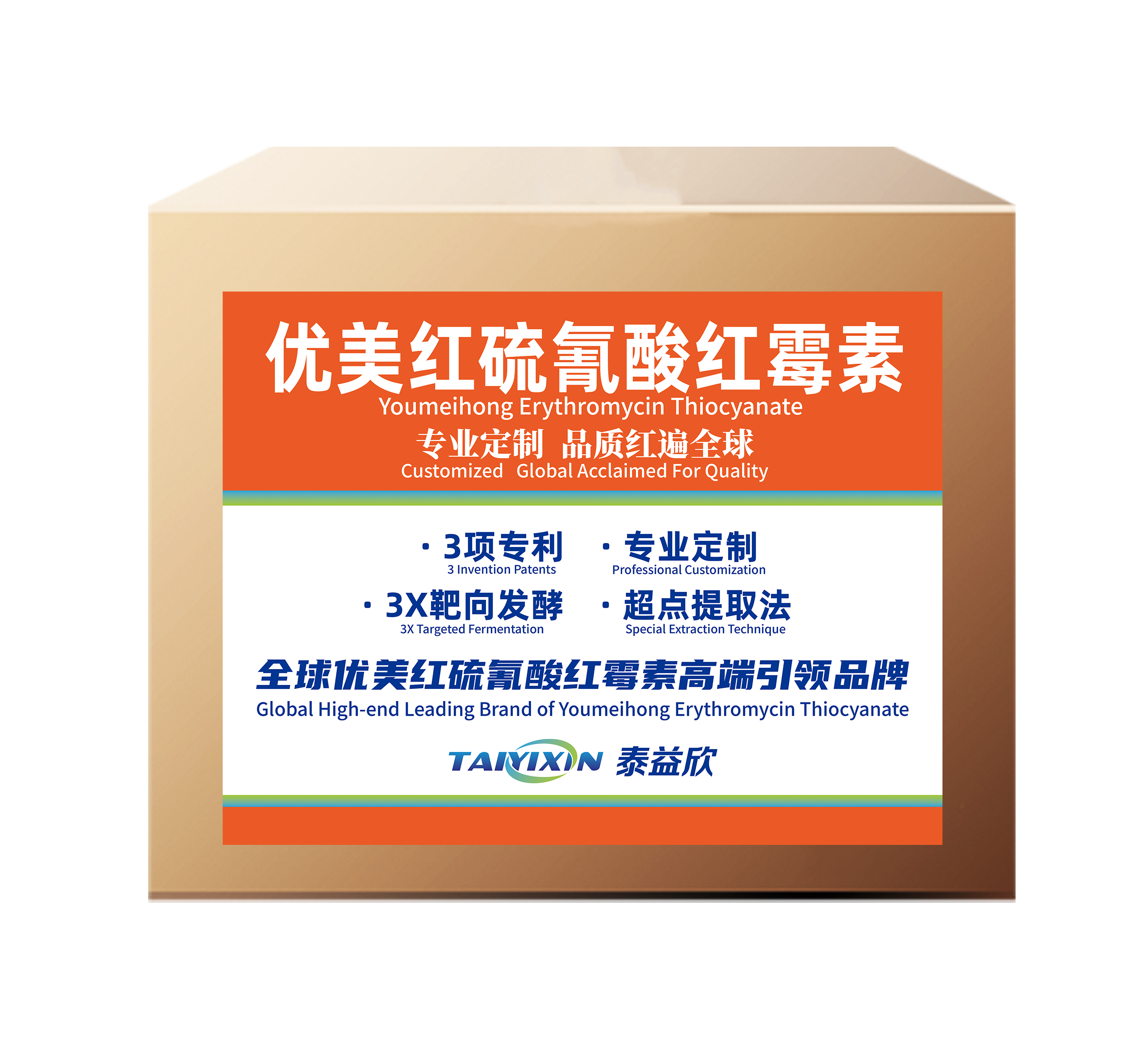
Erythromycin thiocyanate is a thiocyanate derivative of erythromycin, belonging to macrolide antibiotics, and primarily serves as an active pharmaceutical ingredient (API) for human medications. By inhibiting bacterial protein synthesis, it effectively combats various Gram-positive bacteria (such as streptococci and staphylococci), some Gram-negative bacteria (such as *Haemophilus influenzae*), and atypical pathogens (such as mycoplasma and chlamydia). With good bioavailability and stability, erythromycin thiocyanate is suitable for preparing oral formulations, injections, or topical medications. Clinically, it is mainly used for the treatment of respiratory tract infections, skin and soft tissue infections, urogenital system infections, and other diseases. This API must comply with strict pharmacopoeia standards to ensure high purity and low impurities, meeting the quality control requirements for drug production. In China, the production of erythromycin thiocyanate began in the 1980s-1990s, but the output was very low, less than 100 tons. By 2007, erythromycin thiocyanate had become the largest export variety among macrolide antibiotics in China, with a production capacity exceeding 10,000 tons.
视频号二维码
公众号
联系方式
视频号二维码
公众号