Lincomycin hydrochloride is an organic compound with the chemical formula C₁₈H₃₅ClN₂O₆S. This product is 6-(1-methyl-trans-4-propyl-L-2-pyrrolidinecarboxamido)-1-thio-6,8-dideoxy-D-erythro-α-D-galactooctopyranoside hydrochloride monohydrate. Calculated on an anhydrous basis, it shall contain not less than 82.5% of lincomycin (C₁₈H₃₄N₂O₅S).
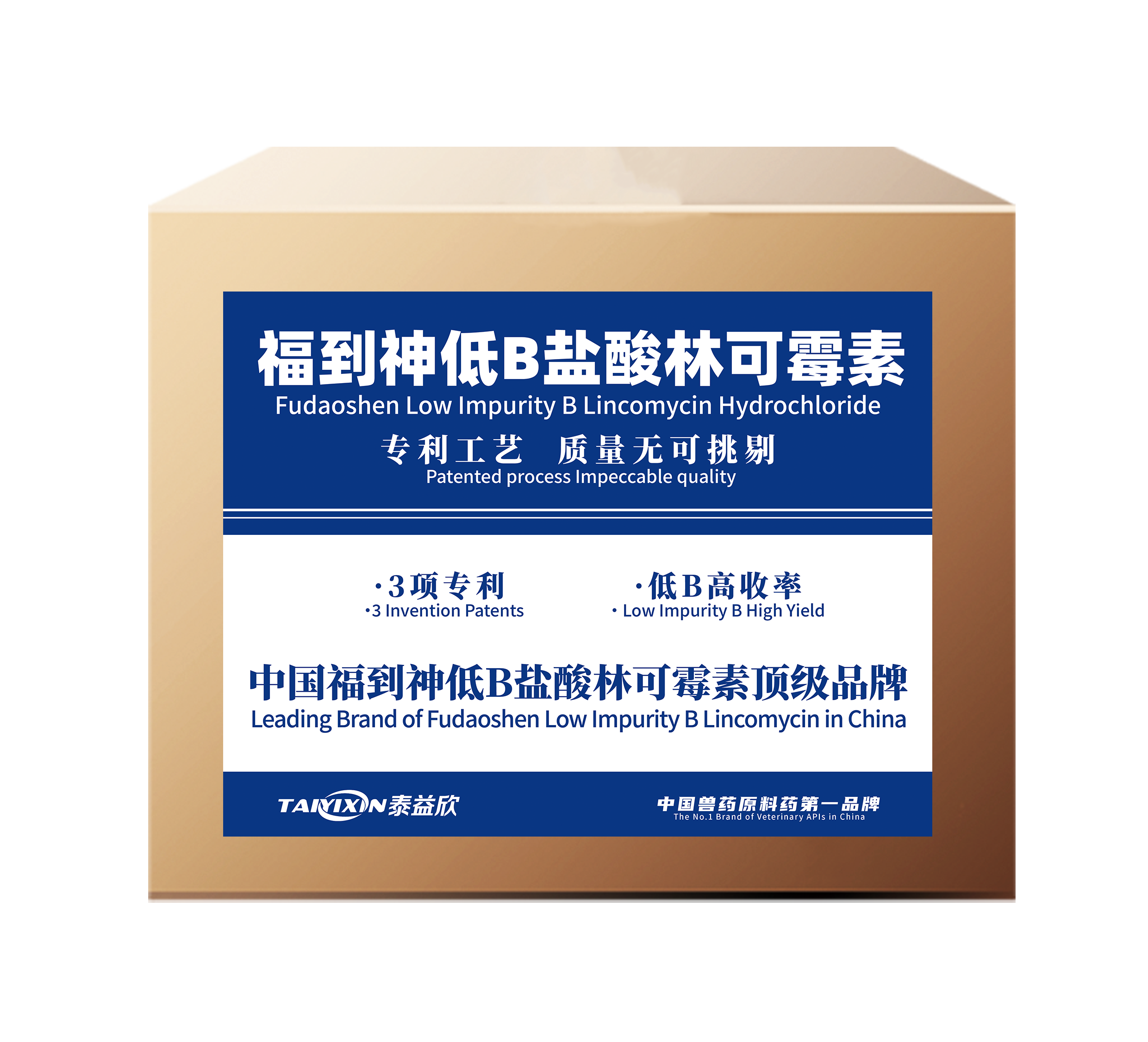
Lincomycin hydrochloride is used for the treatment of Gram-positive bacterial and mycoplasma infections. Long-term low-dose addition to livestock and poultry feed can improve feed conversion efficiency, promote animal growth, increase weight gain, and thereby shorten the feeding cycle. High-dose addition to livestock and poultry feed can prevent and treat swine dysentery, colitis, ileitis, and necrotic enteritis; maintain body weight during atrophic rhinitis; reduce the incidence of diarrhea and edema disease in newborn and weaned piglets caused by Escherichia coli; control swine asthma caused by mycoplasma infection, chronic respiratory diseases in chickens, and alleviate stress responses in livestock and poultry; and prevent and treat secondary infections by sensitive bacteria in livestock and poultry following outbreaks of viral diseases.
Lincomycin Hydrochloride (Jiemycin)
A narrow-spectrum antibiotic, its effects are similar to erythromycin, with good activity against Gram-positive cocci, particularly high efficacy against anaerobes, Staphylococcus aureus, and Streptococcus pneumoniae. Its mechanism of action is similar to erythromycin, belonging to bacteriostatic agents. It primarily inhibits bacterial protein synthesis. Clinically, it is mainly used for various infections caused by sensitive bacteria, such as pneumonia, meningitis, endocarditis, cellulitis, tonsillitis, erysipelas, furuncles, and urinary tract infections. Due to its ability to penetrate bone tissue and exhibit a special affinity for bone, it is particularly suitable for infections caused by anaerobes and Staphylococcus aureus osteomyelitis.
视频号二维码
公众号
联系方式
视频号二维码
公众号