In the first quarter of 2025, amid the drastic volatility in the veterinary drug raw material market, the price curve of tylosin tartrate showed a steep upward trend. As of March 21, the quoted price of tylosin tartrate by Ningxia Taiyixin Biotechnology has reached 290 yuan per kilogram (with an actual market transaction price of 280 yuan per kilogram), representing a cumulative increase of 23.5% from the benchmark price at the beginning of the year and hitting the price peak for this product category in nearly two years. This market anomaly, seemingly triggered by production capacity contraction, in fact reflects the profound transformation of China's veterinary drug industry from extensive expansion to a development model driven by high-end brands and technological innovation.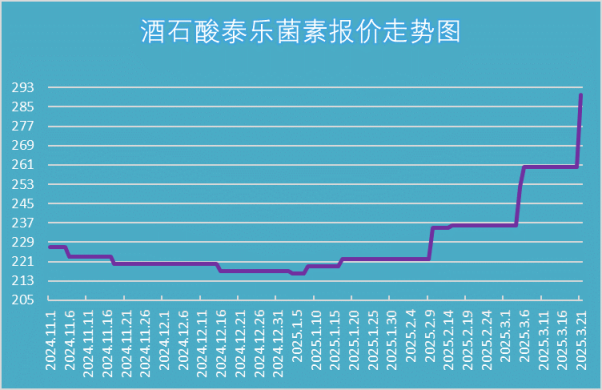
As of March 21, the latest price of tylosin tartrate is 290 yuan per kilogram.
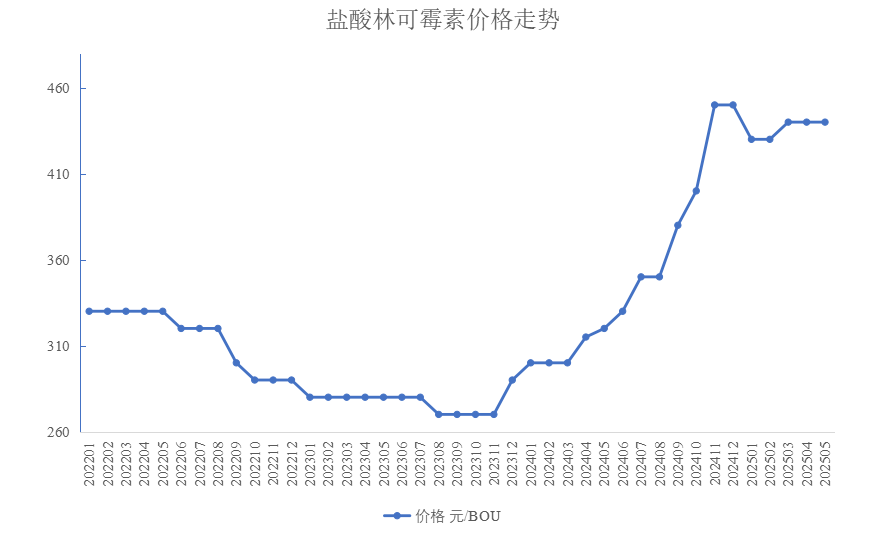
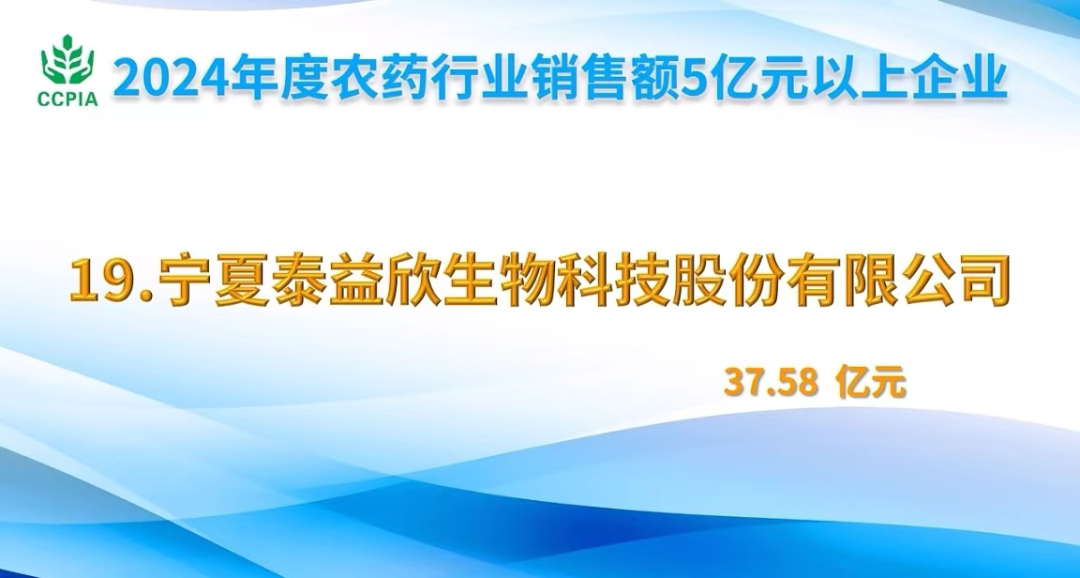
The strategic adjustments of leading enterprises are by no means short-term actions. Top 5 enterprises such as Taiyixin and Qilu have shifted their tylosin production lines to high-value-added products like tylvalosin and lincomycin hydrochloride, driven by the drastic differentiation in per-ton profitability — the profit margin of new veterinary drug raw materials is 3-5 times higher than that of traditional products. This capacity migration resonates with the new antibiotic usage norms implemented by the EU in 2024, prompting global veterinary drug R&D resources to tilt toward third-generation macrolide drugs. It is worth noting that Top 5 enterprises have actually controlled 70% of the market pricing power, and the price formation mechanism is shifting from free competition to peer coordination.
The current market exhibits a typical triple superposition effect: as a key intermediate for new veterinary drugs such as tilmicosin and tylvalosin, the consumption of tylosin tartrate has shown exponential growth with the demand for downstream products; the surge in therapeutic drug demand brought by the pig farming scale rate exceeding 65%; and the EU’s new regulations forcing export-oriented farming enterprises to increase the proportion of compliant drug use. Inventory turnover days have plummeted from the conventional 45 days to 5 days, forcing downstream enterprises to accept the "weekly price negotiation" model. The procurement inquiry volume in March surged by 180% year-on-year, and the market buffer mechanism has completely failed.
As a globally recognized first-choice drug for mycoplasma infection, its irreplaceability stems from its unique pharmacokinetic properties: peak concentration reached in 2 hours and complete metabolism within 72 hours, which not only meets the epidemic prevention and control efficiency of modern farming but also complies with the EU’s latest food safety residue standards. Clinical data shows that reasonable use can reduce the incidence of respiratory diseases in pig herds by 42%, which is the core reason why farming enterprises continue to purchase despite high feed costs. Under the trend of antibiotic-free farming, the characteristics of both treatment and growth promotion functions have further strengthened its market position.
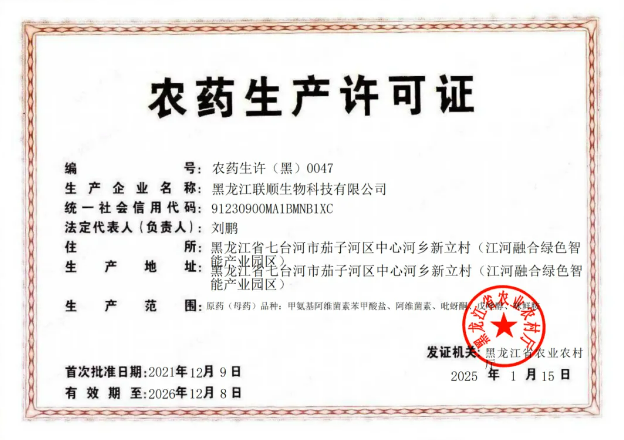
Market monitoring data shows that the pricing strategy adjustment of Ningxia Taiyixin Biotechnology is reshaping the industry price formation mechanism. As the only leading veterinary drug enterprise in China that masters the dual fermentation method and 3E extraction technology to produce histamine-free tylosin tartrate, its quotation of 290 yuan/kg marks that leading enterprises have begun to dominate the distribution of high-end brand and technology premiums. This structural transfer of pricing power has triggered a chain reaction in the short term — Top 5 enterprises such as Qilu Pharmaceutical and Lukang Pharmaceutical have simultaneously raised their quotations, forming a clear price-following band.
Behind this rapid coordination is the new game rules derived from the improvement of industry concentration. Top 5 enterprises control more than 80% of the API GMP-certified production capacity, and the high switching cost of their production facilities naturally curbs the impulse of price wars. More importantly, the continuous price increase of chemical raw material procurement and the increased technological transformation investment brought by the new veterinary drug GMP certification have made the unit cost curve of leading enterprises show a rigid upward trend, and high-end brand and technology premiums have become necessary means to maintain the rate of return.
The quotation difference among mainstream manufacturers has narrowed from ±12% in 2023 to about ±3%, with the dispersion coefficient hitting a record low. The formation of this convergent pricing essentially stems from the convergent evolution of cost structures: when the substitution rate of synthetic biology technology applied by Top 5 enterprises all exceeds 75% and the extraction yield reaches more than 90%, the differential barriers at the production end have been broken. A survey by the China Veterinary Drug Association confirmed that the standard deviation of the unit cost of tylosin tartrate for above-scale enterprises has dropped from 18.7 yuan/kg in 2020 to 5.3 yuan/kg in 2024, and the narrowing of the cost corridor has laid the foundation for unified pricing.
The implementation of the EU’s new veterinary drug regulations has led to a 12% increase in global demand for therapeutic veterinary drugs, with the Asia-Pacific region contributing the main incremental demand. As the world’s largest producer of tylosin tartrate, China accounts for 58% of global trade in exports, and the surge in international purchase orders has further exacerbated domestic supply and demand imbalances. It is worth noting that emerging producing countries such as Europe, India, and Vietnam have lagged technological iteration and cannot form effective capacity supplementation in the short term, and this gap in the international industrial pattern provides external support for the continuous upward trend of prices.
It has become an industry consensus that the price of tylosin tartrate will exceed 350 yuan/kg in mid-April, but deeper industrial changes are brewing: small and medium-sized API manufacturers are competing for about 8% of the marginal profit space through process improvement; preparation enterprises are accelerating the R&D of alternative solutions such as tilmicosin phosphate; leading enterprises are building technical barriers through patented high-end brand products such as "histamine-free tylosin tartrate." Under this diversified competition pattern, the price fluctuation of tylosin tartrate is not only a barometer of market supply and demand but also a key indicator for observing whether China’s veterinary drug industry can break through the "intermediate dependency."
Driven by industrial structure adjustment, rigid clinical demand, and the improvement of international standards, the annual price increase of 15%-20% in the next three years has a solid foundation. Especially with the arrival of the new veterinary drug capacity release cycle predicted in the China Veterinary Drug Raw Material Market White Paper, the strategic position of tylosin tartrate as a key intermediate will be further enhanced. It is expected that by 2026, the market share of this variety in veterinary drug raw materials will rise from the current 18% to 25%, and the price center is expected to exceed 500 yuan/kg.
 2025.03.25
 来源:Health Network, Yakang Network, Pig Farming Network, Veterin
 作者:Industry analyst